
About All Tours From Lima ToursDune Buggy Toursand Paracas ToursSandboarding Tours Directions Hours & Fees
Find Tours 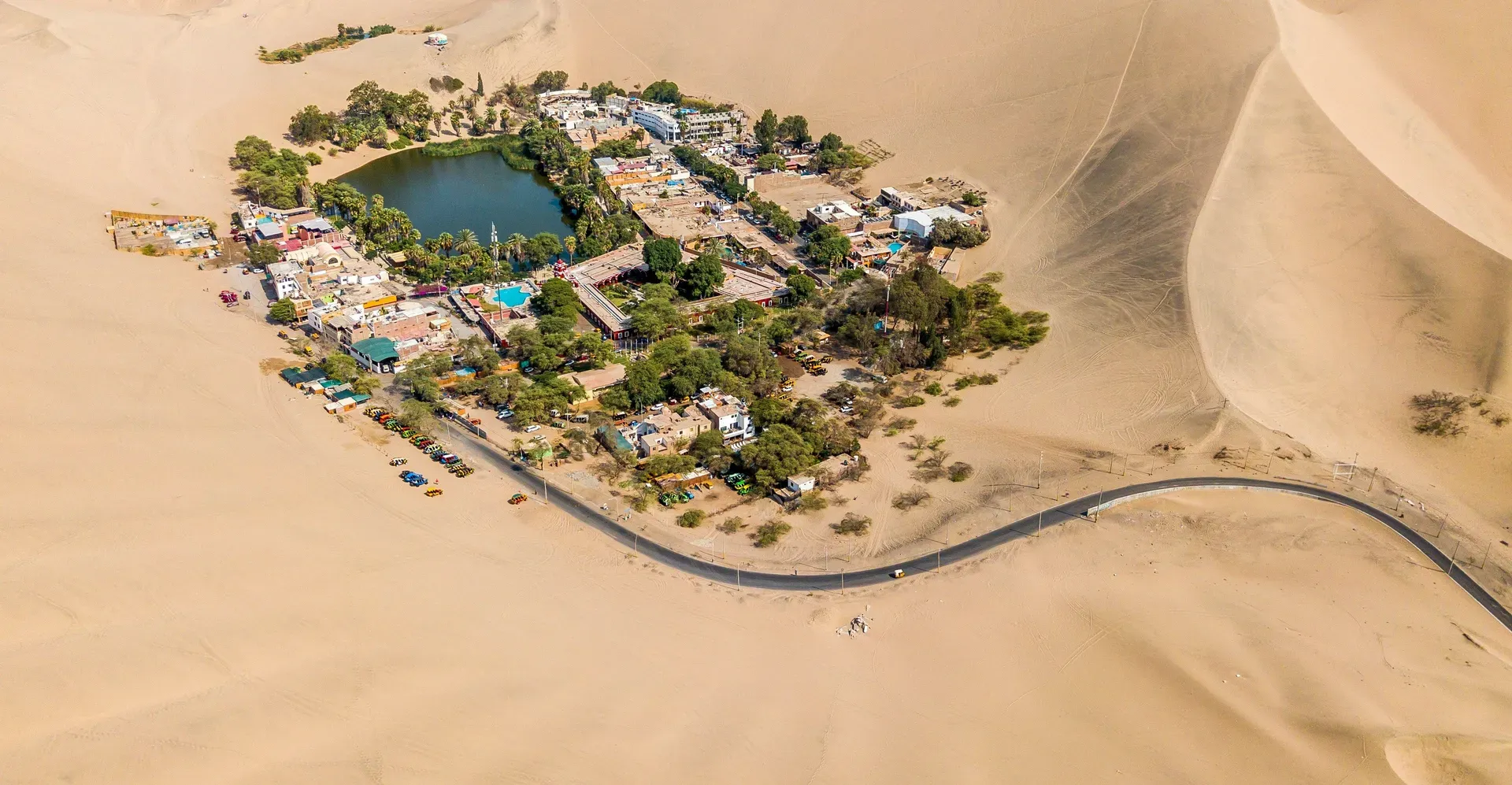
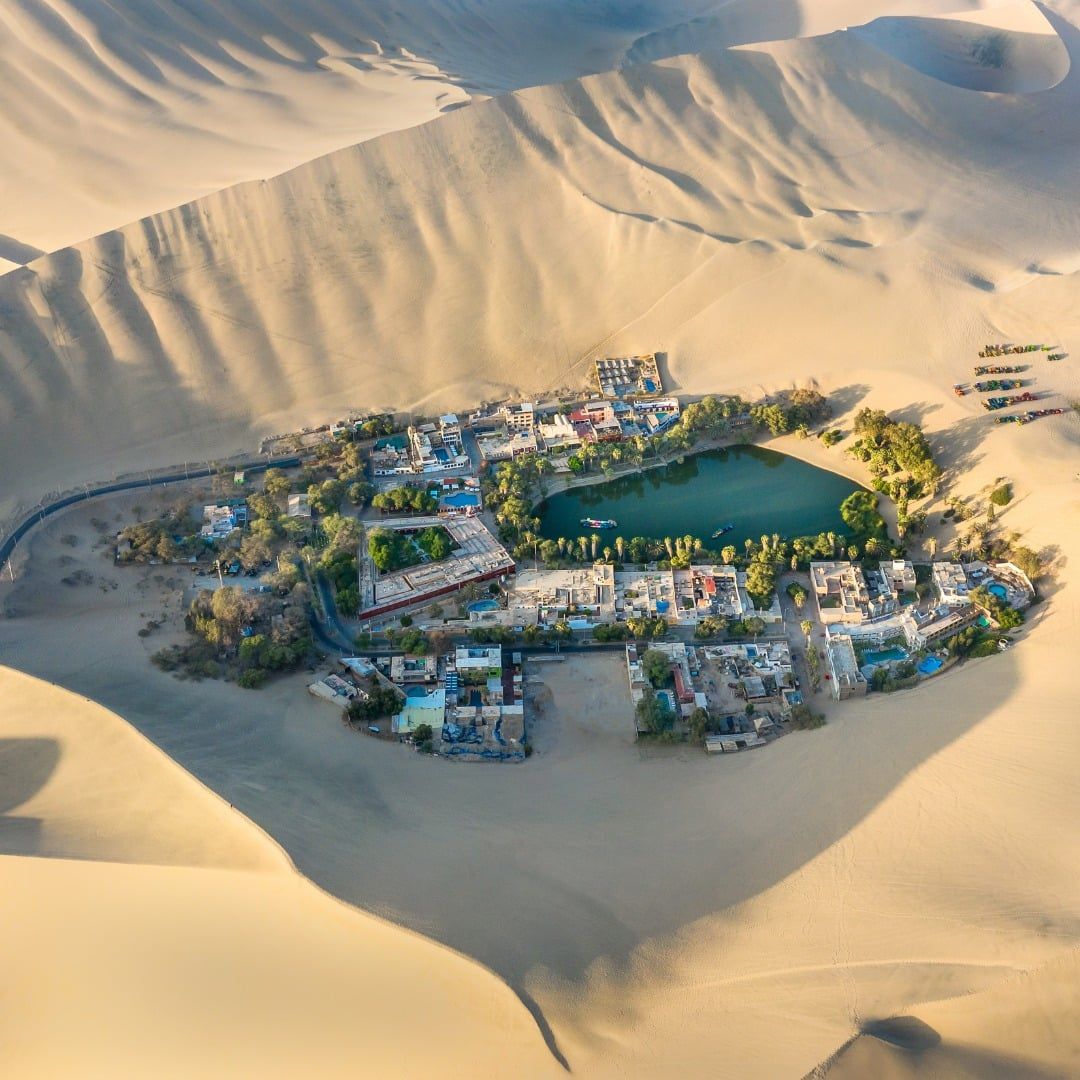
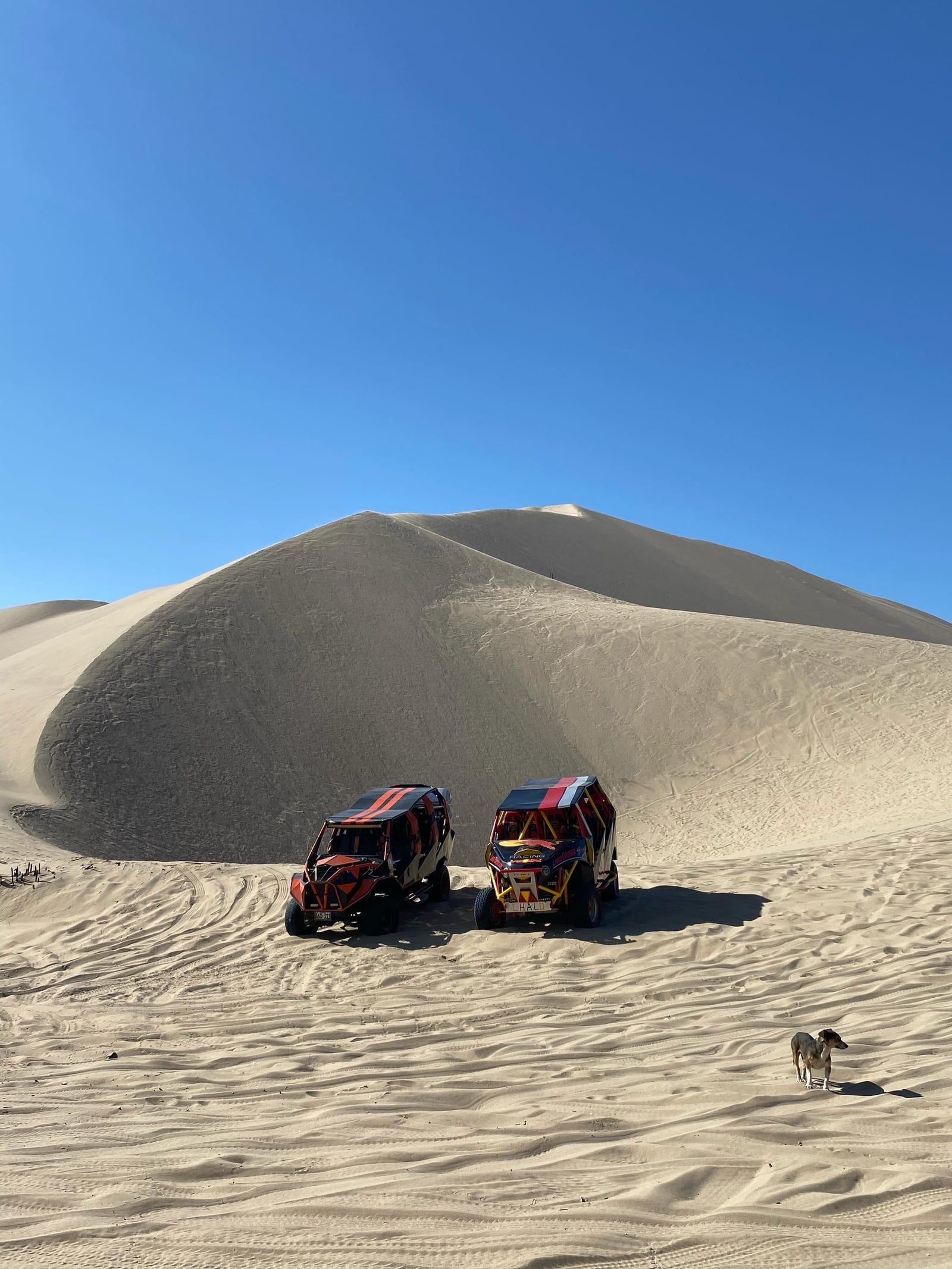
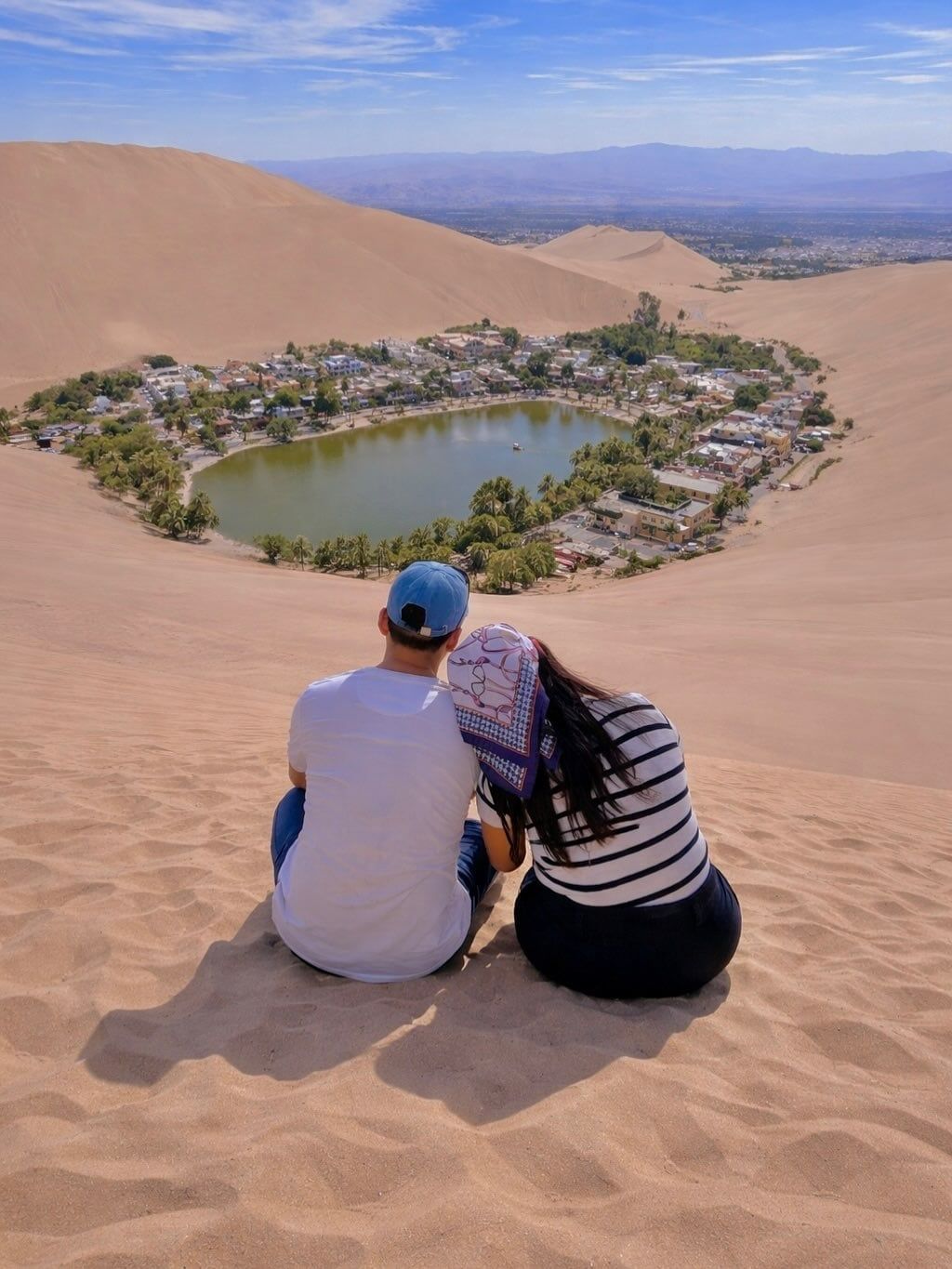
Surrounded by towering 500-meter sand dunes, Huacachina is a tiny village built around a palm-fringed natural lagoon. Visitors can strap into open-frame buggies to fly across the arid coastal desert before sandboarding down the steep slopes at sunset.
Find Guided ToursHuacachina is a small village built around a natural desert lake in southwestern Peru. Located in the Ica region about five kilometers from the city of Ica and four to five hours south of Lima, it holds the distinction of being the only natural desert oasis in South America. The settlement sits in an extremely arid zone that receives just two millimeters of annual precipitation, ranking among the driest inhabited places on Earth. Despite this harsh climate, an underground aquifer current feeds the central green lagoon and sustains the surrounding palm, eucalyptus, and carob trees.
Towering sand dunes reaching heights of up to 500 meters (1,600 feet) completely encircle the compact village. To preserve this environment, the site is protected by Peru's National Service of Natural Protected Areas (SERNANP) as a Regional Conservation Area spanning 2,407.72 hectares of sandy coastal desert. Today, the village maintains a permanent population of around 100 people, though it has transitioned into a major hub for adventure tourism and nightlife.
The name Huacachina originates from Quechua terms translating to "the woman who cries" or "hidden lagoon." According to local folklore, the lake formed from the tears or a shattered mirror of a heartbroken princess. Long before modern tourism arrived, the oasis served as a natural gathering place in the middle of the desert.
By the 1960s, Huacachina had developed into a prominent summer resort for Peru's elite. The village was built up with houses, hotels, a boardwalk, and a therapeutic spa. Wealthy Peruvians and international visitors traveled to the oasis because the lagoon's waters and mud were believed to possess healing properties, drawing those seeking treatments for ailments like arthritis, rheumatism, asthma, and bronchitis.
Discover the full history and cultural significance on our About page.
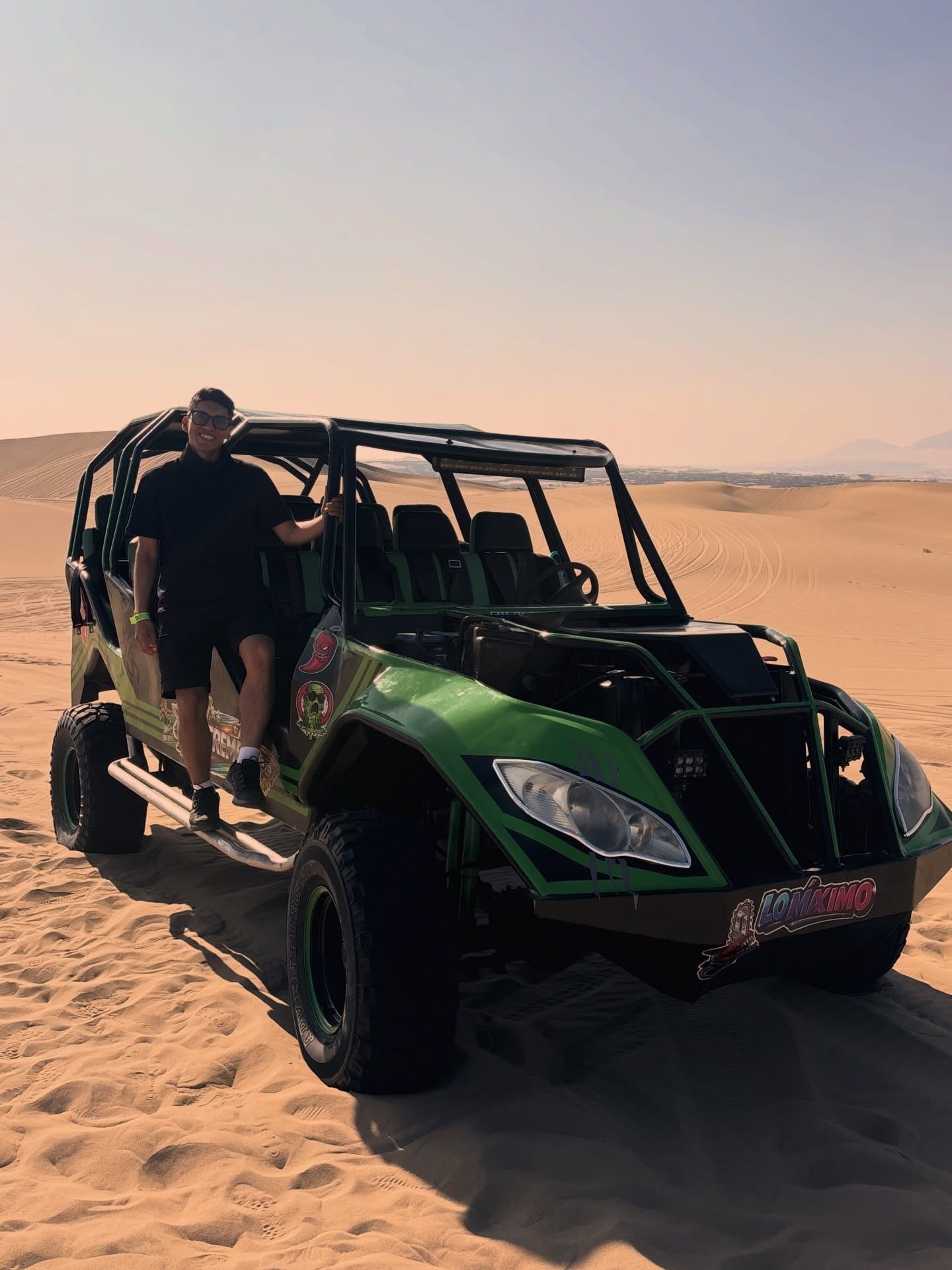
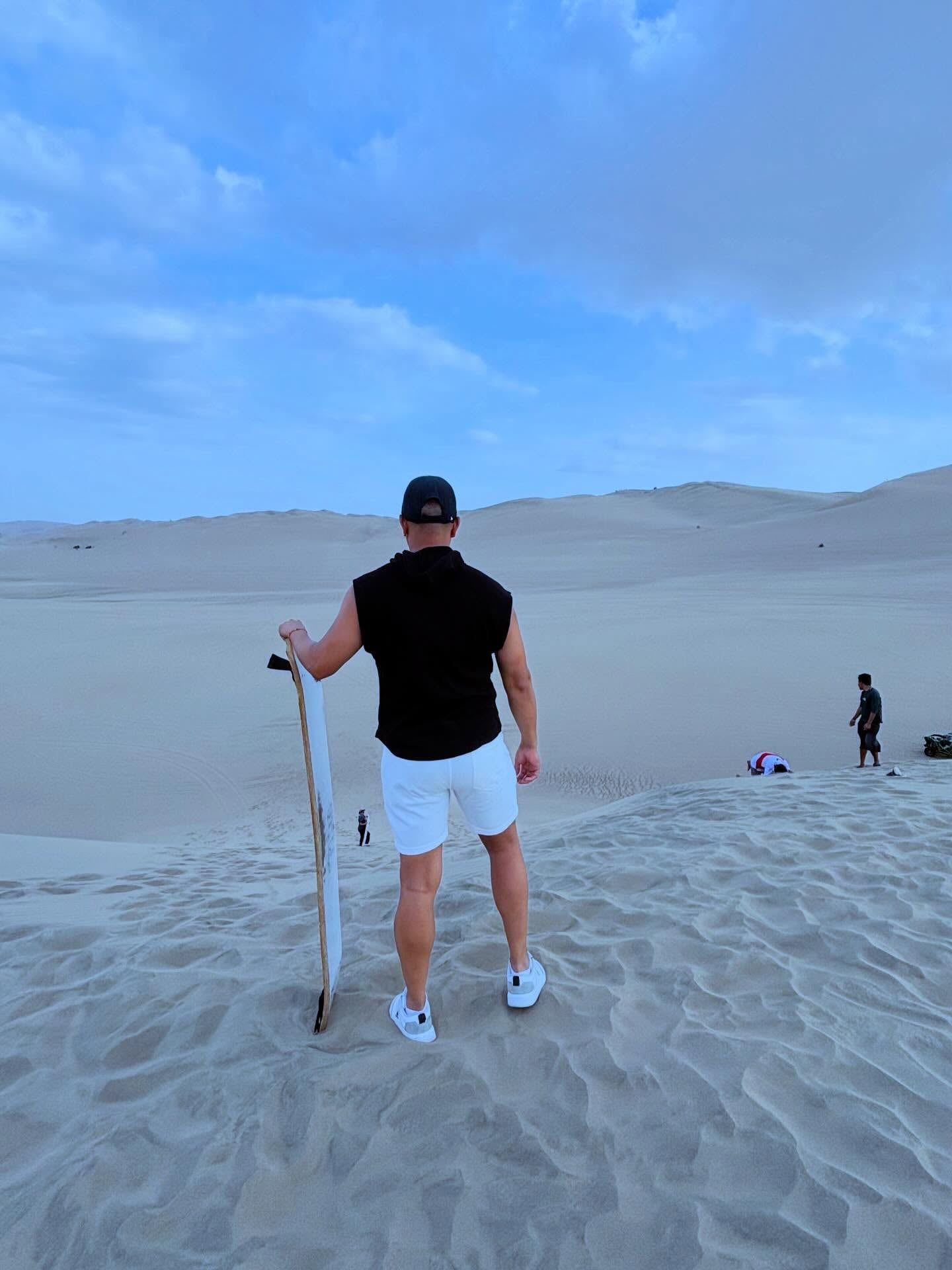
Strap into an open-frame dune buggy to navigate sand dunes reaching up to 500 meters high. After the thrilling ride, grab a board to slide down the steep slopes. Lying on your stomach provides a safer descent than standing. Standard two-hour group tours cost between $18 and $25 USD.
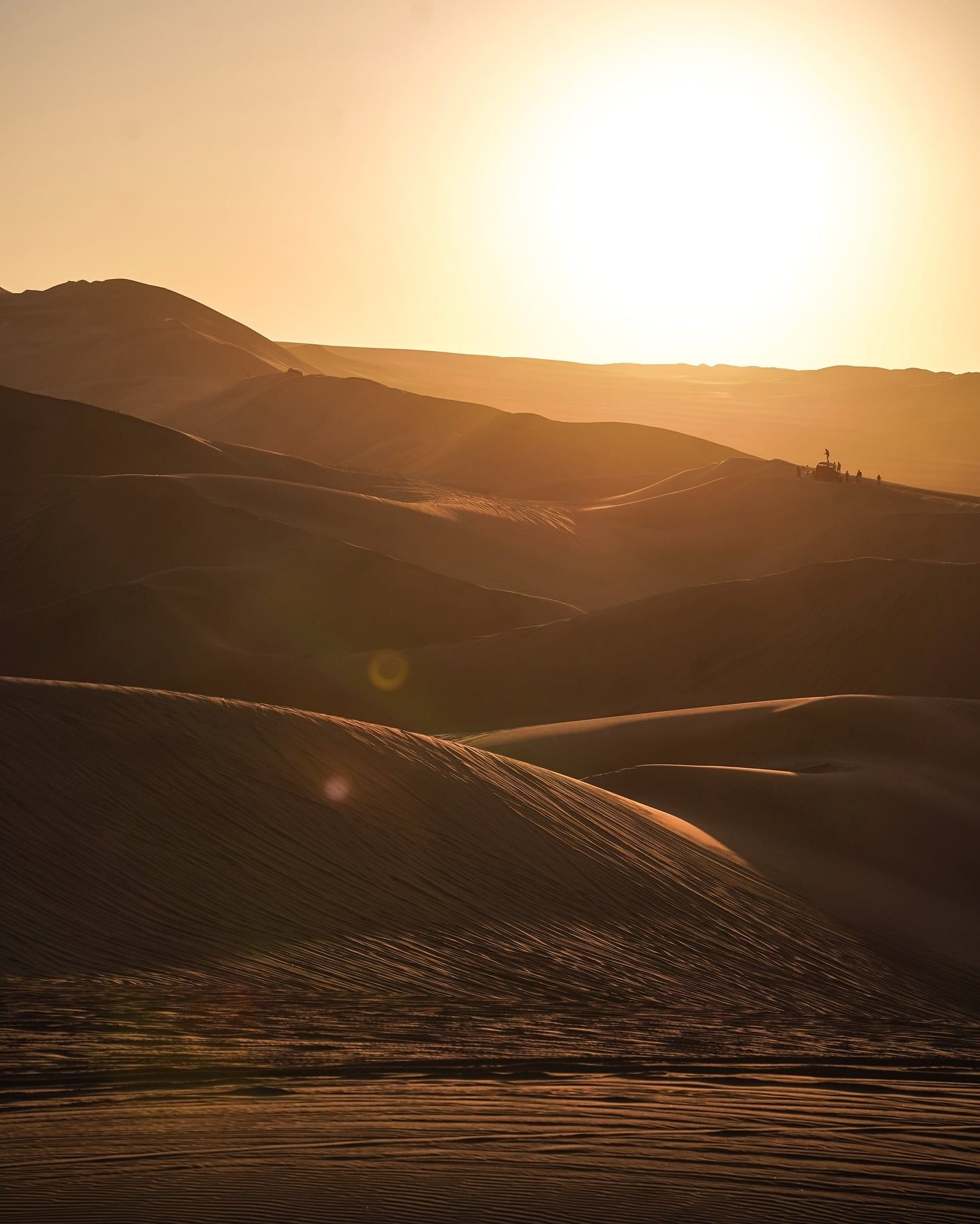
Climb the towering sand dunes surrounding the lagoon about an hour before sunset. The ascent requires physical effort, but reaching the top rewards you with clear views of the sinking sun. As darkness falls over the arid landscape, you can watch the village lights illuminate the green oasis below.
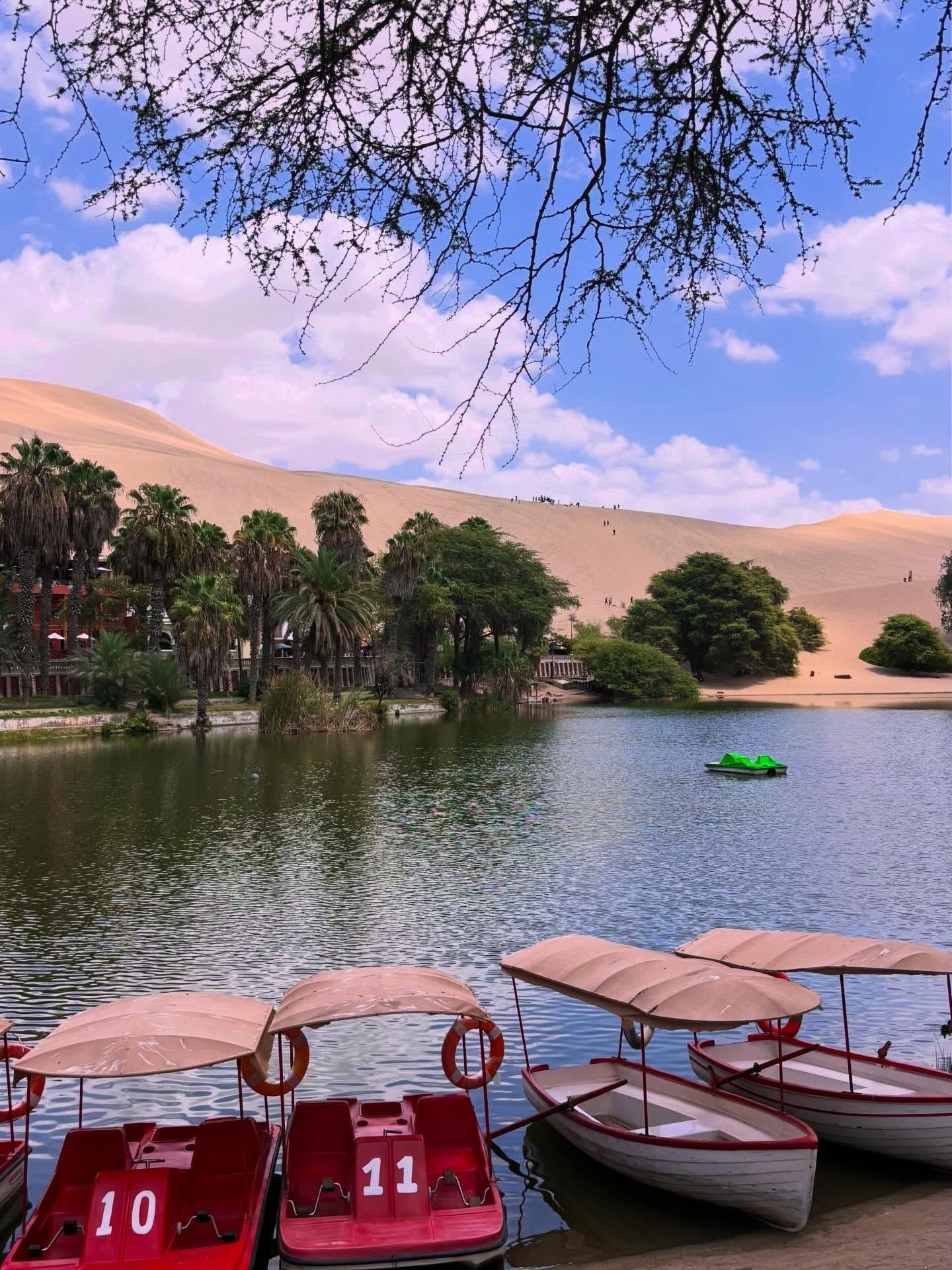
Rent a paddle boat to navigate the calm waters of South America's only natural desert oasis. While swimming is prohibited due to poor water quality, gliding across the palm-fringed lake offers a relaxed pace. From the water, you capture clear reflections of the massive dunes enclosing the village.
Take a 15-minute taxi ride into the Ica Valley to explore historic vineyards like Bodega El Catador. You can tour traditional cellars to learn how Peru produces its national drink. Visitors sample sweet local wines and strong brandies while eating a traditional lunch in this dry coastal desert region.
Hand-picked tours with free cancellation and verified reviews
 Free Cancellation 16h
  Free Cancellation 18h
  Free Cancellation 17h
  Free Cancellation 17h
  Free Cancellation 17h
  Free Cancellation 17h
  Free Cancellation 48h
  Free Cancellation 16h
 The optimal time to visit Huacachina is during the dry season from April to October. These months provide consistently warm, sunny weather and clear skies for sunset photography, avoiding the intense summer heat.
Temperatures peak at up to 30°C, and afternoon haze is common. These are considered the worst months to visit, as the village gets highly crowded with weekend day-trippers from Lima.
While March retains summer heat and haze, April and May introduce the highly favorable dry season. Visitors enjoy consistently warm, sunny days that are excellent for exploring the sand dunes.
Falling entirely within the dry season, these months offer the most reliable conditions. The pleasant, clear weather is perfect for late-afternoon dune buggy tours and golden hour photography.
September and October continue the dry season's clear, pleasant weather. By November, temperatures start rising toward summer highs, but the climate remains dry with an annual precipitation near 2 mm.
The Huacachina village and oasis are open 24 hours a day, seven days a week, year-round. While the public spaces have no closing gates, individual hotels, restaurants, and tour operators maintain their own schedules. Late-afternoon dune buggy tours typically operate between 16:00 and 18:00.
| Category | Price |
|---|---|
| Village Entry | Free |
| Standard 2-hour group buggy tour | $18 - $25 USD |
| Premium small-group buggy tour | $25 - $40 USD |
| Private buggy (per vehicle) | $100 - $195 USD |
There is no official entrance fee to enter the public village. However, visitors participating in dune buggy activities must pay a local municipal tax or booking fee. Booking buggy tours in advance is highly recommended, particularly for the popular 16:00 sunset slot on weekends.
For complete schedules and ticket prices, visit our Hours & Fees page.
Huacachina is located approximately 4 to 5 hours south of Lima by road. Because the village lacks an airport, visitors must travel overland via bus or private vehicle to reach the destination.
Travelers depart from Lima's Javier Prado terminal on a scheduled intercity bus, such as Cruz del Sur or Peru Bus, bound for the city of Ica. This initial leg covers approximately 300 kilometers. Upon arriving at the Ica terminal, passengers must hire a local taxi. The final taxi ride costs about 10 soles or $3 USD and takes 10 to 15 minutes to reach the oasis.
Peru Hop operates a tourist bus service that includes hotel pickup in Lima and direct drop-off at accommodations inside the oasis. It remains the only bus service holding a direct license to enter Huacachina. The route features onboard host support and scheduled stops at sites like the Chincha Slave Tunnels. This option entirely eliminates the need for a secondary taxi transfer in Ica.
Hiring a private driver provides a direct transit option from Lima straight to the oasis. Visitors should arrange this service through trusted sources, such as hotel recommendations or licensed operators. Verifying the operator ensures the vehicle is properly insured and suited for the highway journey. This remains the fastest method to complete the 300-kilometer drive south.
For detailed transport options and routes, visit our Directions page.
There are no ATMs located within the Huacachina oasis. Visitors must withdraw plenty of cash in Peruvian soles in the nearby city of Ica before making the 5-kilometer taxi ride. While some local hotels and restaurants accept credit cards, these transactions frequently incur an additional fee.
Reserve your dune buggy excursion for the highly recommended 16:00 to 18:00 time slot. This late-afternoon window provides cooler temperatures and clear golden hour lighting for photography. Remember to pack a scarf or buff to protect your face from massive amounts of flying sand.
Always ride the sandboards lying down on your stomach rather than attempting to stand up. Standing on these boards frequently leads to severe falls and injuries on the steep slopes. You must also wear mandatory closed-toe sneakers and lightweight trousers to prevent painful sand burns.
The sand dunes surrounding the village reach towering heights of up to 500 meters. Scaling these steep inclines is physically demanding and takes much longer than it appears. Start your hike 60 to 90 minutes before sunset to ensure you reach the summit in time.
Fast-moving desert winds will force fine sand into all exposed devices. Bring a simple ziplock bag to seal your phone completely when not in active use. Furthermore, changing camera lenses out on the dunes is strictly discouraged due to the constant blowing dust.
Swimming in the central oasis is strongly discouraged due to untreated water, stagnation, and algae build-up. Keep your water activities restricted to renting a paddle boat on the lake. For swimming, book accommodation that features its own clean swimming pool instead.
This coastal desert reserve features dramatic cliffs and unique wildlife. Visitors can explore the protected marine landscapes by bicycle, kayak, or sailboat to see a different side of Peru's geography.
Often called the poor man's Galapagos, these islands host a massive concentration of marine life. Boat trips allow visitors to observe sea lions, Humboldt penguins, and blue-footed boobies.
These world-renowned ancient geoglyphs are etched directly into the desert floor. A morning scenic flight provides the best vantage point to see the massive drawings of monkeys, spiders, and hummingbirds.
Read what travelers share about their experience visiting Huacachina — from practical tips to personal highlights.


Huacachina is located about 300 kilometers south of Lima, and the drive takes 4 to 5 hours. Travelers can take a public bus to the city of Ica for $10 to $20 USD and hire a local taxi for a 15-minute ride to the oasis, which costs about 10 soles or $3 USD. Alternatively, direct tourist buses like Peru Hop run from Lima straight to the oasis for $45 to $55 USD.
There is no official entrance fee to enter the village of Huacachina itself. Visitors only pay a local municipal tax or booking fee if they participate in dune activities. Standard 2-hour group dune buggy and sandboarding tours typically cost between $18 and $25 USD.
The most reliable months to visit are from April to October during the dry season. The weather remains consistently warm and sunny, providing clear conditions for photography and sunset views over the dunes. Avoid the summer months of December to March if you dislike intense heat, as temperatures can reach up to 30°C.
Booking your dune buggy tour in advance is highly recommended, particularly for the popular 16:00 to 18:00 sunset slot on weekends. Always choose licensed, registered operators rather than informal street-sold tours to ensure proper safety standards. Private vehicles can also be reserved in advance for $100 to $195 USD.
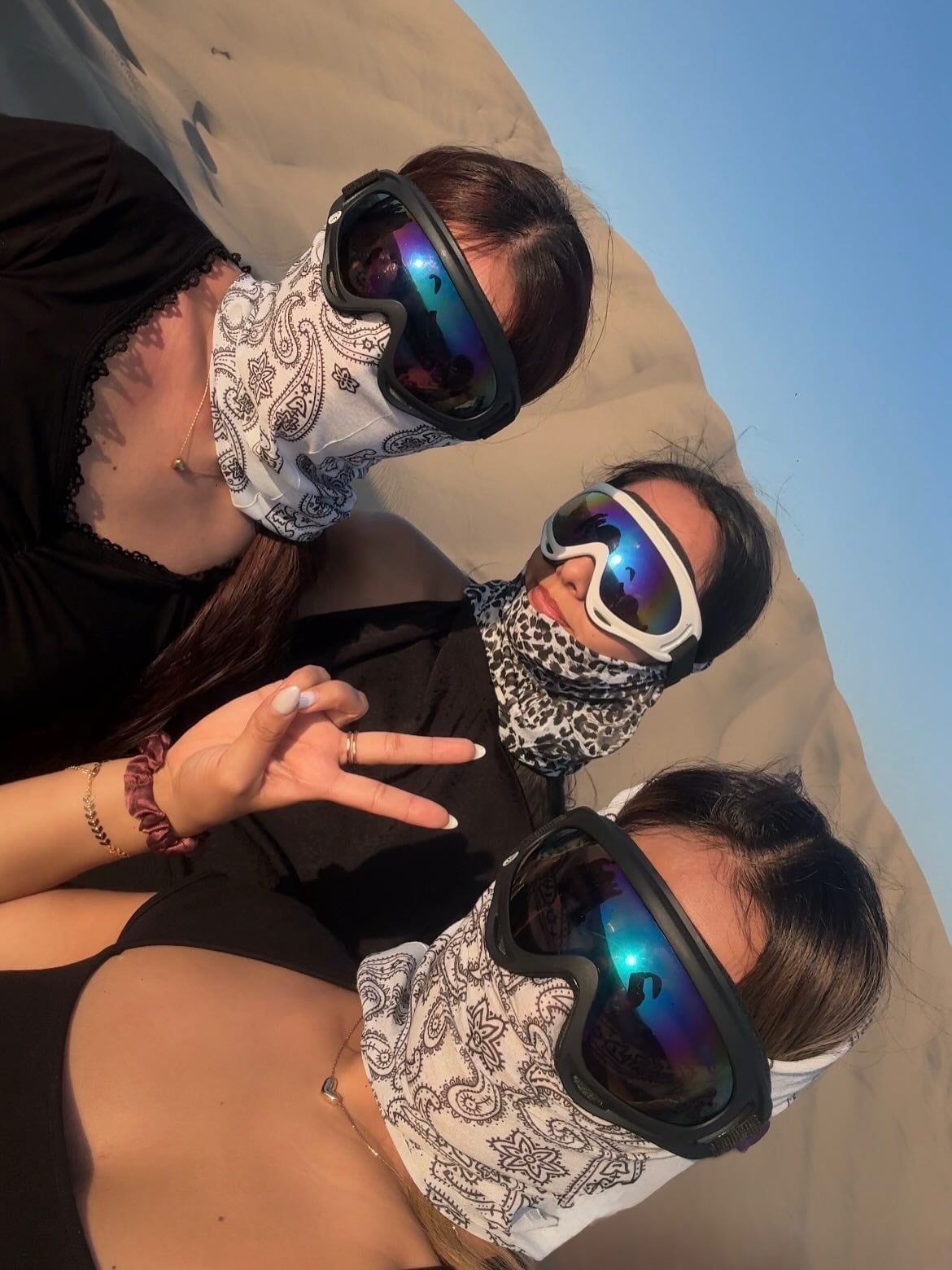
Wear closed-toe shoes, as sneakers are mandatory for sandboarding, along with lightweight trousers to prevent sand burns. Bring a scarf or bandana to cover your face from blowing sand during the fast-moving buggy rides. You should also pack a ziplock bag to protect your phone and electronics from fine desert dust.
Wheelchair accessibility is highly limited due to the sandy terrain, though the main village boardwalk and flat lakeside areas can be navigated with assistance. Elderly travelers will find walking distances within the village very short and manageable. While climbing the steep 500-meter sand dunes is not recommended, seniors can easily rent paddle boats or book private, slower-paced buggy rides.
There are no ATMs located within the Huacachina oasis. Visitors need to withdraw enough cash in Peruvian soles in the nearby city of Ica before arriving. While some hotels and restaurants accept credit cards, they frequently charge an additional transaction fee.
Swimming in the central lagoon is strongly discouraged. The water is untreated, suffers from stagnation, and has poor quality due to algae build-up. Visitors should instead rent paddle boats on the lake or use the swimming pools available at local hotels.
Browse verified tours with free cancellation and instant confirmation.
Find Tours